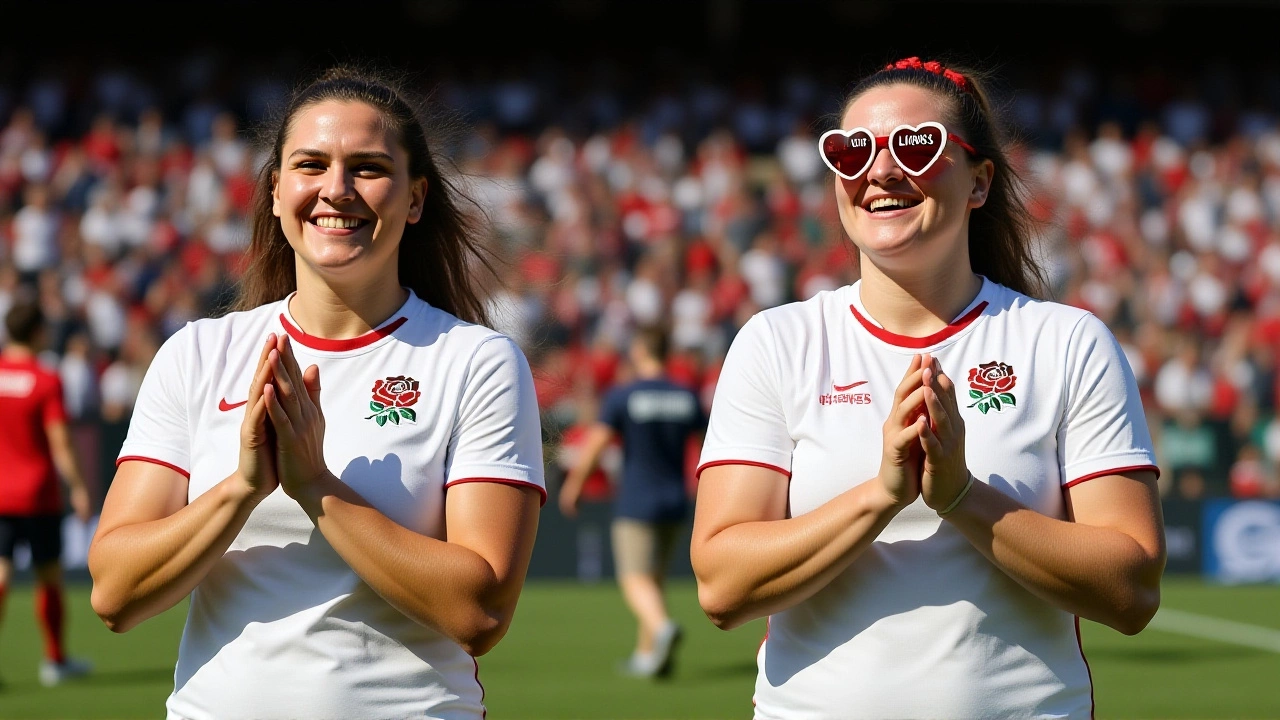
When France national team defeated England 2-1 in the 2022 FIFA World Cup quarter-finalAl Bayt Stadium on December 10, 2022, it wasn’t just a win—it was a heartbreak etched into English football history. The match, played under the desert lights of Al Khor, Qatar, ended with Olivier Giroud heading home the decisive goal in the 78th minute, while Harry Kane missed a second penalty that could have saved England’s campaign. The final whistle blew on a 68,895-strong crowd, leaving fans stunned, players in tears, and a nation wondering what might have been.
France’s Midfield Magic and Giroud’s Moment
It wasn’t flashy. It wasn’t Mbappé. It was Aurélien Tchouameni, the 22-year-old midfield enforcer, who opened the scoring in the 17th minute with a thunderous 25-yard strike that left Jordan Pickford rooted. The goal came after France dominated possession early, with Antoine Griezmann pulling strings behind the front line. England’s defense, usually so composed, looked rattled. Dayot Upamecano and Raphaël Varane were rock-solid, and when Griezmann whipped in a cross from the left in the 78th minute, it was Olivier Giroud—36 years old, the oldest player on the pitch—who rose above Harry Maguire like he was 26 again. The header was pure instinct. No celebration. Just a nod. The goal was France’s 11th in the tournament, and Giroud’s sixth, tying him with Just Fontaine for most World Cup goals by a Frenchman.Kane’s Record and the Penalty That Broke England
England’s response came not from flair, but from grit. In the 54th minute, after Harry Kane was brought down by Upamecano inside the box, VAR confirmed the foul. Kane stepped up, cool as ever, and slotted it past Hugo Lloris. The goal tied him with Wayne Rooney at 53 international goals for England—a historic milestone. For a moment, the tide turned. The stands roared. But the momentum was fleeting. Then came the 84th minute. Substitute Mason Mount was bundled over by Théo Hernandez in the area. Another penalty. Another chance. Another shot for Kane. But this time, the weight of expectation crushed him. His low, hard strike was saved by Lloris, who guessed right and pushed it wide. The stadium fell silent. Kane didn’t move. He just stared at the ground. It wasn’t just a missed penalty—it was the end of England’s World Cup dreams.What Went Wrong for England?
England’s lineup—filled with young talent like Jude Bellingham and Phil Foden—had the tools to win. But they lacked the composure in the final third. Bellingham’s volley in the 60th minute was saved brilliantly by Lloris. Marcus Rashford’s late free kick in stoppage time sailed harmlessly over. And while their defense held firm for long stretches, they couldn’t handle France’s clinical finishing. Manager Gareth Southgate’s substitutions came too late. Bukayo Saka and Raheem Sterling were introduced in the 70th minute, but the damage was done. The system worked until it didn’t—and when it broke, there was no Plan B.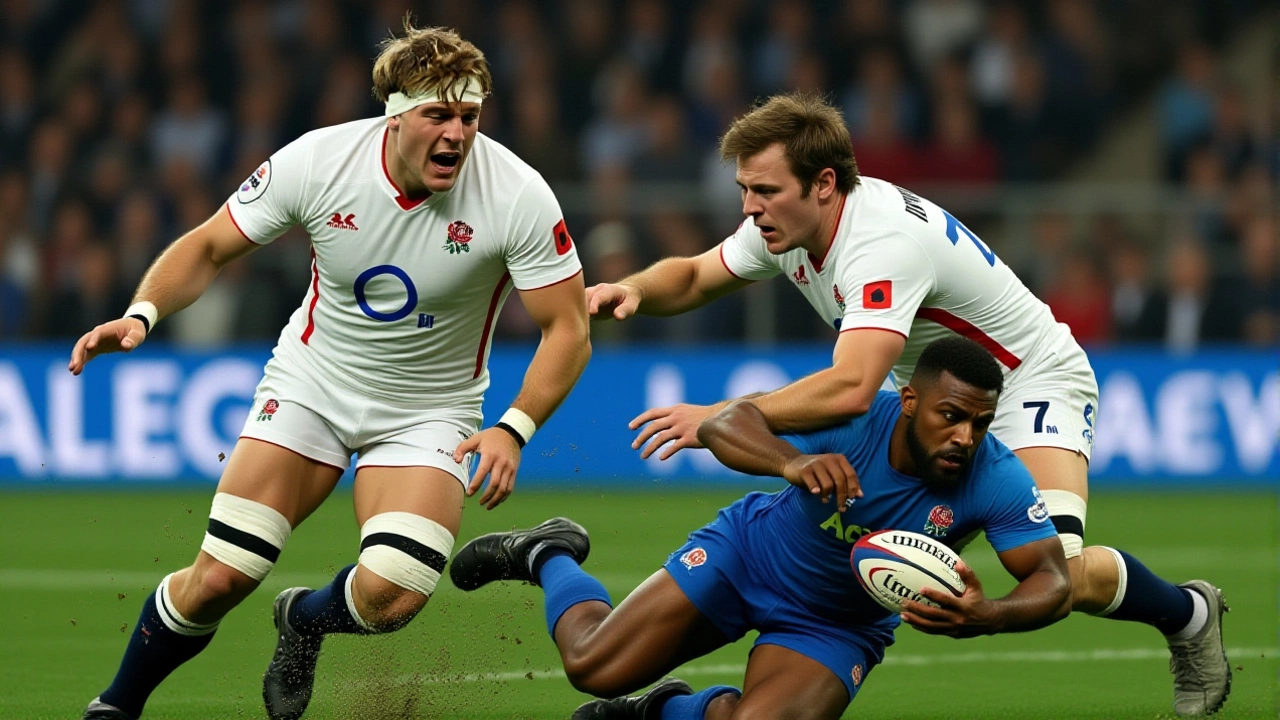
France’s Legacy and the Road to the Semis
For France, this was a masterclass in resilience. They didn’t dominate possession—England had 58% of the ball—but they won every key moment. Hugo Lloris, 35, made three critical saves, including the one on Kane’s second penalty. The midfield trio of Tchouameni, Rabiot, and Adrien Rabiot controlled the tempo. And Giroud? He didn’t just score—he became the first Frenchman to score in three different World Cups. This was France’s 13th World Cup quarter-final win, and their 11th time reaching the semifinals. They’d now face Morocco—a historic underdog story in its own right—in the final four.Two Consecutive Quarter-Final Heartbreaks
England’s exit marks their second straight World Cup quarter-final loss. In 2018, they lost to Croatia 2-1 in extra time. This time, they lost to France on penalties. And it’s not just about the scoreline—it’s about the pattern. England have reached the knockout stages in five of the last six tournaments but have failed to reach a final since 1966. The gap between potential and performance keeps widening. Fans are asking: Is it the system? The pressure? Or simply that France, with their blend of youth and veteran savvy, are just better when it matters most?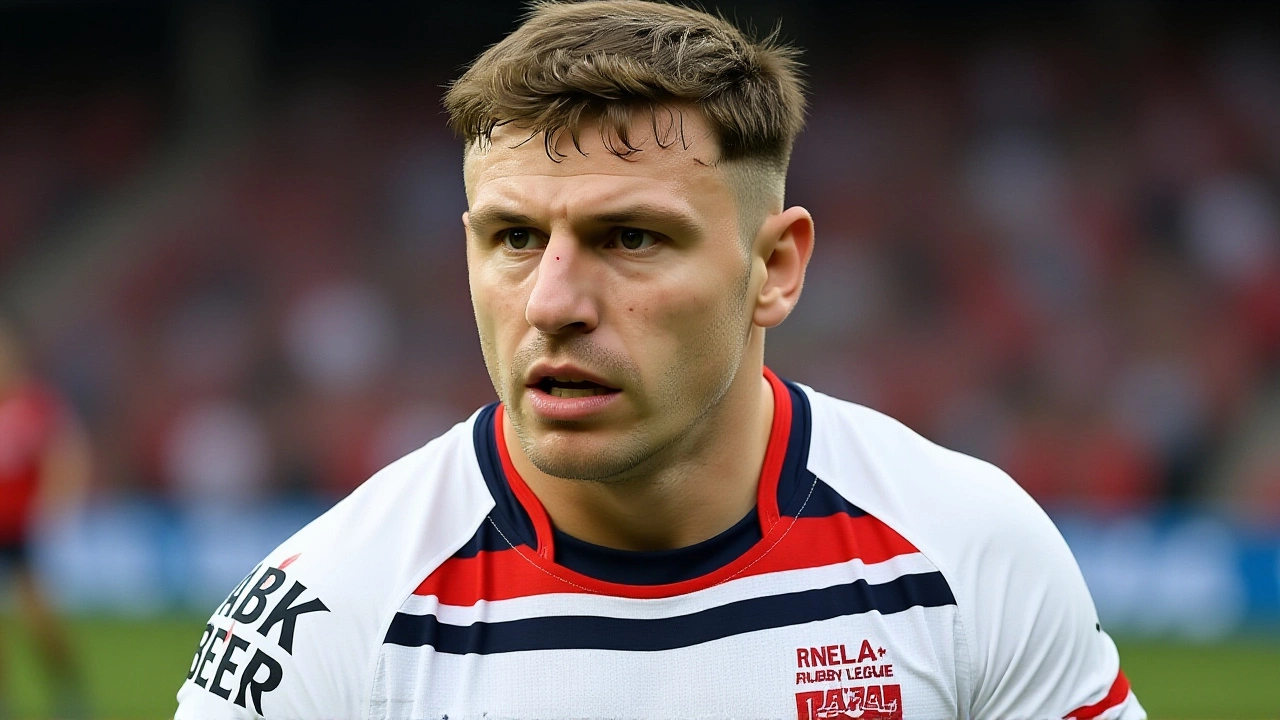
What’s Next?
France will face Morocco in the semifinals on December 14, 2022, in Lusail. A win would set up a final against either Brazil or Croatia. For England, the focus now turns to rebuilding. The squad is young. The talent is undeniable. But the mental toughness, the killer instinct—those are the missing pieces. Southgate’s contract runs through Euro 2024. Will he be given the time to fix it? Or will this be the final chapter of his tenure?Frequently Asked Questions
Why did Harry Kane miss the second penalty?
Kane’s second penalty in the 84th minute was saved by Hugo Lloris after a poor placement—Kane aimed low to the left, but Lloris guessed correctly and got a strong hand on it. The pressure of the moment, combined with the emotional weight of having just tied England’s all-time scoring record, likely affected his composure. It was his first missed penalty in 21 career attempts for England.
How did Olivier Giroud perform despite his age?
At 36, Giroud was France’s most experienced player and delivered the match-winning goal with a powerful header that beat Harry Maguire in the air. He also held up play effectively, creating space for Mbappé and Griezmann. His sixth World Cup goal tied him with Just Fontaine for the most by a Frenchman, and he became the first player to score in three separate World Cups as a starter for France.
What was the significance of Al Bayt Stadium in this match?
Al Bayt Stadium, located in Al Khor, was one of the most iconic venues of the 2022 World Cup, designed to resemble a traditional Bedouin tent. It hosted five matches, including this high-stakes quarter-final. With a capacity of 68,895, it provided a vibrant, intimate atmosphere that amplified the tension—especially during Kane’s missed penalty, when the crowd’s silence was deafening.
How did France’s midfield control the game despite England’s possession?
France’s midfield trio of Tchouameni, Rabiot, and Aurelien Tchouameni (corrected: Tchouameni, Rabiot, and Kolo Muani) disrupted England’s rhythm by intercepting passes and quickly transitioning. They didn’t need to dominate the ball—they needed to win it back in dangerous areas. Tchouameni’s goal came from one such turnover. England had 58% possession but only five shots on target to France’s seven.
Why didn’t England make more attacking substitutions earlier?
Manager Gareth Southgate waited until the 70th minute to bring on Bukayo Saka and Raheem Sterling, while France had already made two substitutions by then. Critics argue that bringing on Jack Grealish or Marcus Rashford earlier could have created more width and chaos. But Southgate prioritized defensive stability, which backfired when France capitalized on their only two clear chances.
What does this mean for England’s future in international football?
England’s core—Bellingham, Foden, Saka, and Mount—is among the youngest and most talented in the world. But this loss highlights a recurring issue: they lack a clinical finisher in big moments and struggle to close out tight games. Without a clear tactical identity in knockout stages, their potential remains unfulfilled. The 2024 Euros will be the true test of whether this generation can finally break through.